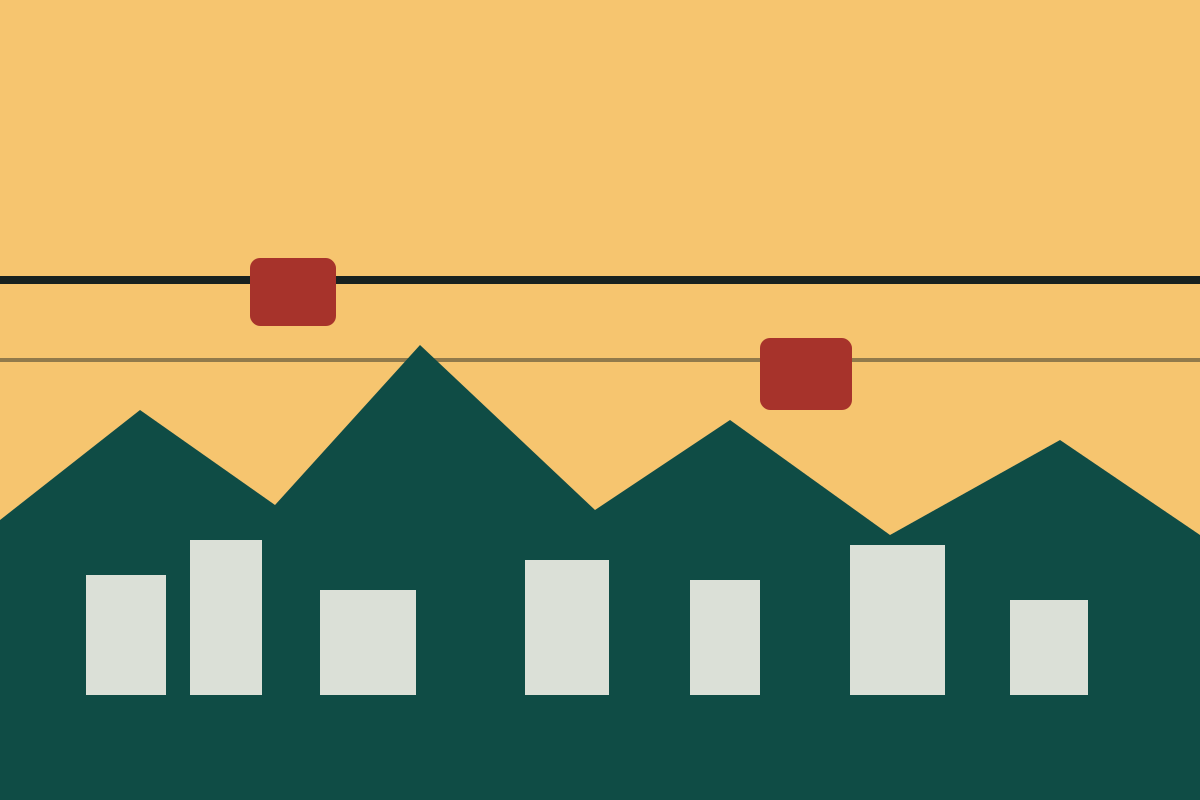
La Paz is not visited like a flat city. You go up, down, and across it in cable cars; you hear it in markets and understand it better once you accept that altitude sets the rhythm.
Day one: downtown, markets, and a city from above
Start in the historic center: Plaza Murillo, Calle Jaen, and the area around San Francisco. There is no need to rush. The point is to notice doors, balconies, juice stands, hats, and conversations.
Lunch with local flavor
Look for sopa de mani, plato paceno, or sajta in places with local movement. Food in La Paz often tells you more about the city than a brochure can.
In the afternoon, take the cable car. The red line and its connections let you see the urban fabric between La Paz and El Alto. If the weather is clear, end at a viewpoint.
Day two: El Alto, popular design, and slower corners
El Alto is young, intense, and creative. Its fairs and cholets show an aesthetic tied to commerce, migration, celebration, and popular pride.
Travel with a local guide if you want more context. You can also spend the afternoon in Sopocachi, with cafes, bookstores, and calmer walks.
Tips for not wearing yourself out
Altitude deserves respect. Drink water, eat lightly when you arrive, and leave space between activities. A good weekend in La Paz is not the one with the most pins on a map; it is the one that lets you hear the city.
Frequently asked questions
Can you visit La Paz in two days?
Yes, if you choose nearby areas and use the cable car to connect viewpoints, markets, and neighborhoods without losing too much time in traffic.
Should I take the altitude seriously?
Yes. If you arrive from low altitude, keep the first day gentle, drink water, and avoid overly demanding plans.